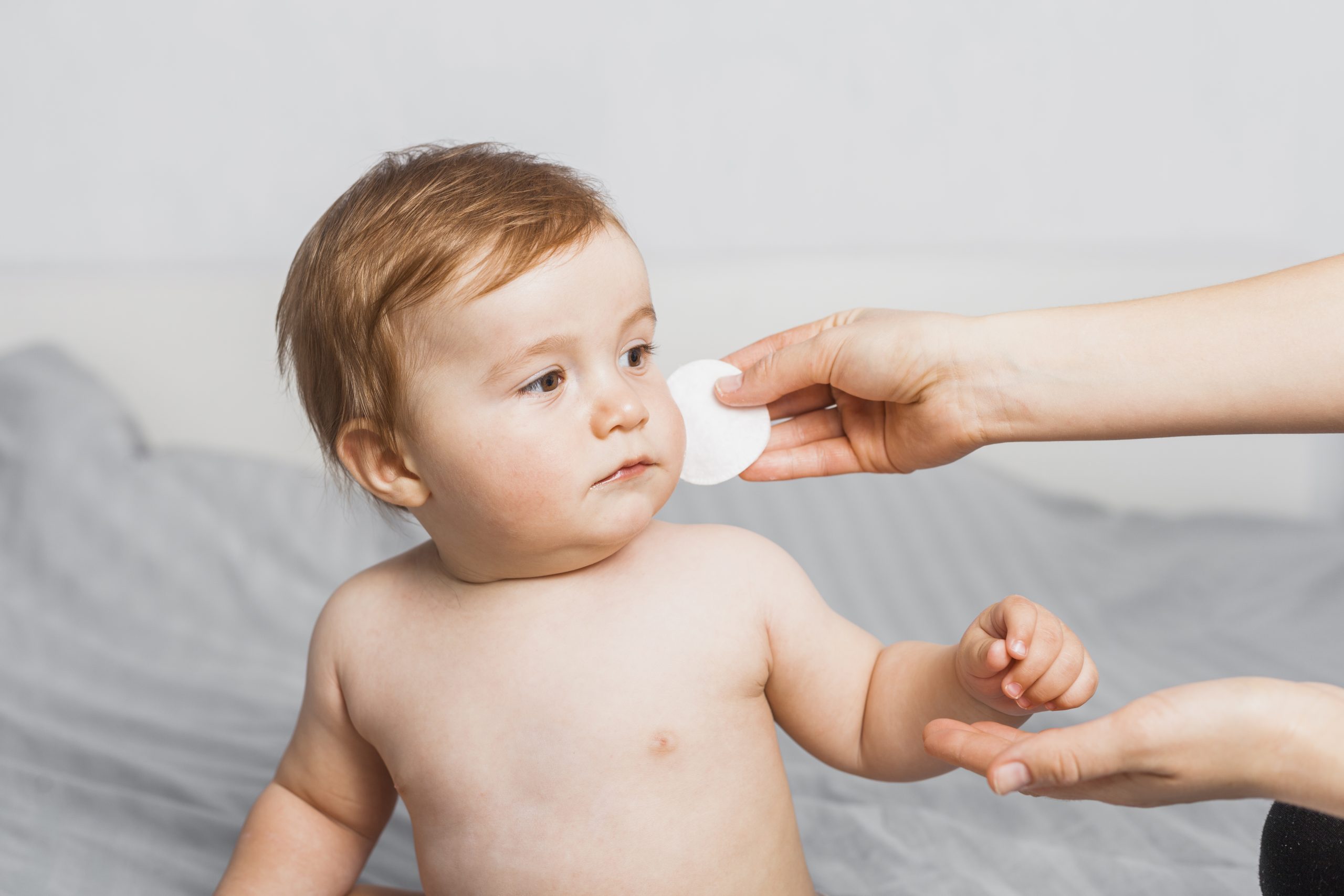
Newborn Skin Care: A Complete Guide to Nurturing Your Baby's Delicate Skin:
Newborn skin care is essential for every parent to ensure their baby is comfortable, healthy, and free from irritations. A newborn’s skin is significantly more sensitive than that of adults, making proper care a crucial part of the early stages of life. In this comprehensive guide, we’ll explore how to care for your newborn’s skin, from basic daily routines to common skin issues and the best products to use.
Understanding Newborn Skin
A newborn’s skin is very different from adult skin. It is thinner, more delicate, and highly susceptible to irritants, dryness, and temperature changes. For the first few weeks, a baby’s skin is adjusting to life outside the womb, which is why it requires extra care and attention.
Here’s what makes newborn skin unique:
Thin and Sensitive: A newborn’s skin is much thinner than an adult’s, meaning it can easily absorb harmful substances and irritants.
Immature Barrier: The outer layer of a baby’s skin, the stratum corneum, is not yet fully developed. This makes their skin more vulnerable to environmental factors like heat, cold, and chemicals.
Increased Absorption: Babies’ skin has a larger surface area relative to their body weight, which means they are more prone to absorbing harmful substances from products applied to their skin.
Daily Newborn Skin Care Routine:
Creating a gentle, consistent daily skin care routine for your baby will ensure that their skin remains soft, healthy, and protected. Here’s a simple yet effective skincare regimen for newborns:
1. Bathing Your Newborn
Newborns do not require daily baths unless they get particularly dirty. Over-bathing can dry out their skin, so it’s usually recommended to bathe them 2-3 times a week. When you do bathe your baby, follow these tips:
- Choose the Right Temperature: Make sure the water is warm but not too hot (around 37°C or 98.6°F). Test the water with your elbow or wrist to ensure it’s comfortable.
- Use a Mild, Fragrance-Free Soap: Choose a baby-friendly, hypoallergenic, fragrance-free soap or wash to avoid irritating your baby’s skin. Products labeled “tear-free” are ideal for avoiding stinging eyes.
- Avoid Sponging the Baby’s Face: When bathing your newborn, gently wash their face with a damp washcloth and water, avoiding soap on their delicate skin.
- Sponge Bathing: In the first few weeks, your baby’s umbilical stump is still healing. It’s important to keep the area dry, so you should only give your baby a sponge bath. Once the stump falls off, you can introduce a full bath.
- Drying: Pat your baby’s skin dry with a soft towel. Be gentle, especially around folds of skin where moisture can accumulate.
2. Moisturizing
Newborns can often experience dry, flaky skin, which is commonly seen in the first few weeks. This can be caused by exposure to the air, the transition from the womb, or even from bathing. Here’s how to keep their skin moisturized:
- Apply Moisturizer After Bathing: Immediately after a bath, while the skin is still damp, apply a gentle, unscented moisturizer. This helps to lock in moisture and prevent the skin from drying out.
- Use Natural Oils: Natural oils such as coconut oil or baby-specific oils can be used to gently massage your baby’s skin, adding hydration and a soft touch.
- Choose Hypoallergenic Products: Always select fragrance-free, hypoallergenic products to minimize the risk of skin irritation or allergic reactions.
3. Diaper Area Care
The diaper area is one of the most sensitive parts of a newborn’s skin and can often suffer from irritation, rashes, or diaper dermatitis. Here’s how to care for it:
- Frequent Diaper Changes: Change your baby’s diaper every 2-3 hours or as soon as it gets soiled to prevent irritation or diaper rash.
- Clean Gently: Use warm water and a soft cloth or wipes to clean your baby’s bottom. Avoid wipes with alcohol, which can dry out the skin.
- Diaper Rash Cream: If your baby has sensitive skin or is prone to diaper rashes, apply a thick layer of zinc oxide-based cream or petroleum jelly as a barrier.
- Air Time: Allow your baby’s skin to dry completely and spend time without a diaper to prevent moisture build-up.
4. Clothing
The clothing your newborn wears directly impacts the health of their skin. Here are some tips to ensure your baby’s skin stays comfortable and irritation-free:
- Soft, Natural Fabrics: Dress your baby in soft, breathable fabrics like cotton that allow the skin to breathe. Avoid clothes with synthetic materials that may cause irritation.
- Avoid Tight Clothing: Ensure that your baby’s clothing isn’t too tight, especially around the neck, arms, and waist. Tight clothing can cause chafing and discomfort.
- Wash Clothes Properly: Always wash your baby’s clothes and blankets before using them. Use a gentle, baby-friendly detergent that is free of dyes and fragrances to avoid irritation.
5. Sun Protection
While it’s important for babies to get some exposure to sunlight for vitamin D, their delicate skin is highly sensitive to the sun’s rays. Here’s how to keep them safe:
- Avoid Direct Sun Exposure: Keep your baby out of direct sunlight, especially between 10 a.m. and 4 p.m., when the sun’s rays are strongest.
- Use Sun Protection: For babies over six months, apply a baby-friendly sunscreen with SPF 30 or higher. If your baby is under six months, it’s best to avoid sunscreen and keep them shaded under a hat or umbrella.
Protective Clothing: Use hats with wide brims, long-sleeved shirts, and pants to protect their skin from sun exposure.
Common Newborn Skin Issues and How to Handle Them:
Even with the best care, newborns may experience common skin issues. Here’s a look at some typical skin concerns and how to manage them:
1. Cradle Cap (Infantile Seborrheic Dermatitis)
Cradle cap is a common, harmless condition where a baby’s scalp develops scaly, yellowish patches. It’s thought to be caused by overactive sebaceous glands and is not contagious.
- Treatment: Gently massage baby oil or mineral oil into your baby’s scalp before bath time. This helps loosen the flakes. After a few minutes, use a soft brush to gently scrub away the scales. Regular washing with a mild baby shampoo can help.
2. Baby Acne
Baby acne can appear on a newborn’s face, particularly on the cheeks and forehead, and usually clears up on its own within a few weeks.
- Treatment: Avoid using any strong acne treatments. Simply wash your baby’s face with lukewarm water and a gentle baby wash. Avoid scrubbing or squeezing the pimples.
3. Diaper Rash
Diaper rash is common, particularly in the first few months of life, due to moisture, friction, or irritation.
- Treatment: Change diapers frequently and keep the skin dry. Apply a barrier cream, such as petroleum jelly or a zinc oxide cream, to protect the skin. Let the skin air dry and avoid using wipes with alcohol.
4. Eczema (Atopic Dermatitis)
Eczema is characterized by red, itchy patches of skin that can occur anywhere on the body. It’s more common in babies with a family history of eczema or allergies.
- Treatment: Keep your baby’s skin moisturized with a fragrance-free cream or ointment. Bathe your baby in lukewarm water and avoid using soap that could irritate their skin. If eczema becomes severe, consult a pediatrician for treatment options.
5. Heat Rash (Prickly Heat)
Heat rash can develop when sweat gets trapped in sweat glands, causing red bumps and discomfort.
- Treatment: Keep your baby cool and dress them in lightweight, loose-fitting clothing. Bathe them in cool water and avoid excessive heat or humidity.
6. Milia (Milk Spots)
Milia are tiny white bumps commonly found on a newborn’s face. They occur when dead skin cells become trapped in small pockets near the surface of the skin.
Treatment: No treatment is needed, as milia usually disappear on their own within a few weeks.
Choosing the Right Skin Care Products for Your Newborn:
electing the right products for your baby’s sensitive skin is vital. Always choose products designed specifically for newborns, which are formulated to be gentle, non-irritating, and free from harsh chemicals. Here are some important factors to consider:
Fragrance-Free and Hypoallergenic: Fragrance-free products are less likely to cause irritation or allergic reactions.
Dermatologist-Tested: Look for products that have been tested by dermatologists to ensure they’re safe for sensitive skin.
Gentle and Natural Ingredients: Opt for products that contain natural ingredients such as aloe vera, chamomile, or calendula, which have soothing properties.
Avoid Harsh Chemicals: Steer clear of products that contain parabens, phthalates, or sulfates, as these can irritate your baby’s skin.
Recommended Products:
Baby Shampoo and Body Wash: Use a gentle, tear-free shampoo that’s formulated for babies.
Baby Lotion or Cream: Choose a hypoallergenic lotion to keep your baby’s skin moisturized.
Diaper Rash Cream: Use a thick, zinc oxide-based diaper cream to protect your baby’s bottom from rashes.
Conclusion:
Caring for your newborn’s skin may seem daunting at first, but with the right products, routine, and understanding of common skin issues, you can ensure your baby’s skin remains healthy and comfortable. Always choose gentle, fragrance-free products, and remember that less is often more when it comes to newborn skin care. By following a basic skin care routine and being mindful of your baby’s skin’s needs, you can help them maintain a soft, smooth, and happy start to life.