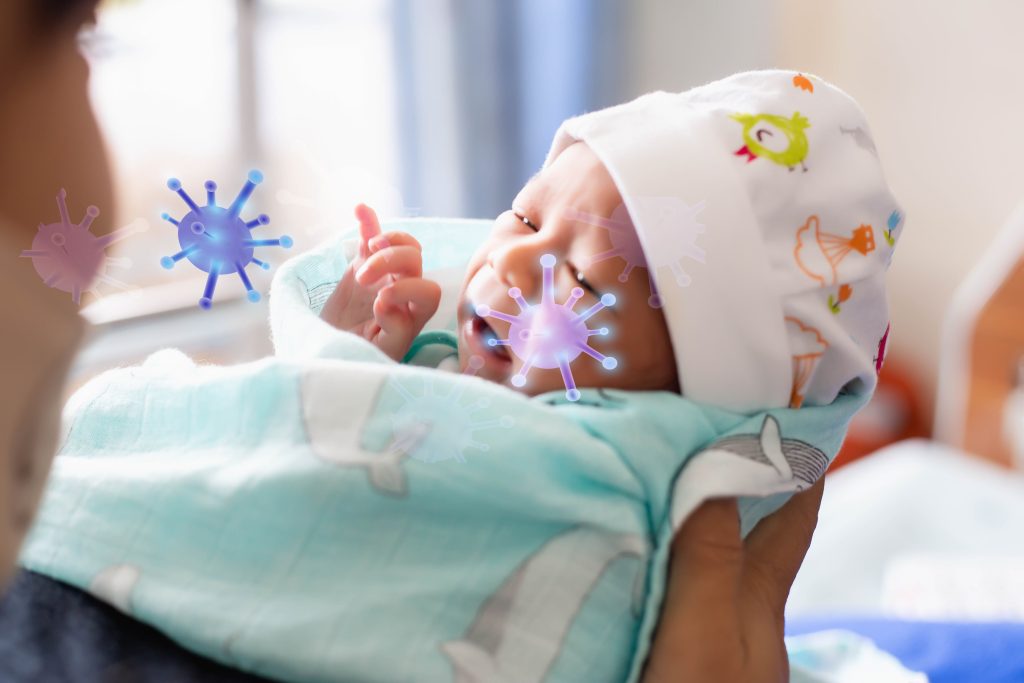
Postpartum Mental Health Support: A Comprehensive Guide:
The postpartum period, often referred to as the “fourth trimester,” is a time of significant emotional and physical changes. While many new mothers experience joy and excitement with the arrival of their baby, others may face emotional challenges that require support. Postpartum mental health is an important yet often overlooked aspect of maternal health, and providing the right support is essential for a mother’s well-being and the well-being of her child. This article explores the importance of postpartum mental health, common mental health challenges that new mothers face, and the types of support available to help mothers navigate this critical period.
Understanding Postpartum Mental Health:
Postpartum mental health refers to the emotional and psychological well-being of a mother during the weeks and months following childbirth. The changes that accompany childbirth, both physical and emotional, can have a profound impact on a woman’s mental health. These challenges can range from mild mood fluctuations to more severe conditions like postpartum depression (PPD) or postpartum anxiety.
It’s important to understand that postpartum mental health issues are not a reflection of a mother’s ability to care for her child or her love for her baby. Rather, they are the result of a combination of hormonal changes, life adjustments, sleep deprivation, and the pressures of new motherhood. Mental health issues can manifest in various ways and often go unnoticed, so awareness and early intervention are key to providing the necessary support.
Common Postpartum Mental Health Challenges:


1. Postpartum Blues
Many mothers experience what is commonly known as the “baby blues” in the first few days or weeks after childbirth. This condition is typically characterized by mood swings, tearfulness, irritability, and feelings of overwhelm. The baby blues affect up to 80% of new mothers and are usually temporary, lasting a few days to two weeks. The hormonal fluctuations following childbirth, coupled with the physical demands of caring for a newborn, are often the primary causes of this condition. While it can be distressing, the baby blues generally resolve on their own as the body adjusts.
2. Postpartum Depression (PPD)
Postpartum depression is a more serious condition than the baby blues and can affect 10–20% of new mothers. PPD can develop anytime within the first year after childbirth, and its symptoms can range from mild to severe. Common symptoms include persistent feelings of sadness, hopelessness, loss of interest in daily activities, difficulty bonding with the baby, and even thoughts of self-harm or harming the baby. PPD can be triggered by a combination of hormonal changes, genetics, stressful life events, and a history of mental health issues. It’s important for mothers experiencing these symptoms to seek help, as PPD can significantly impact both the mother’s health and her ability to care for her child.
3. Postpartum Anxiety
Postpartum anxiety is another common condition that affects new mothers, often in conjunction with or independently of depression. Symptoms include excessive worry, racing thoughts, irritability, sleep disturbances, and physical symptoms like heart palpitations. This condition can be particularly distressing, as new mothers may worry excessively about their baby’s health, safety, or their ability to care for their child. Like postpartum depression, postpartum anxiety can be triggered by the demands of new motherhood, along with hormonal fluctuations and sleep deprivation.
4. Postpartum PTSD
Some women experience postpartum post-traumatic stress disorder (PTSD) after a difficult or traumatic childbirth experience, such as an emergency C-section, complications during delivery, or a life-threatening situation for either the mother or the baby. Symptoms of postpartum PTSD include flashbacks, nightmares, severe anxiety, and avoidance of reminders of the traumatic event. PTSD can significantly impact a mother’s emotional well-being and her ability to bond with her baby. Therapy, support groups, and trauma-focused care are essential for managing and healing from postpartum PTSD.
5. Obsessive-Compulsive Disorder (OCD)
Postpartum OCD is characterized by intrusive thoughts, often about harming the baby or oneself, and compulsive behaviors that are meant to reduce anxiety. These thoughts can be very distressing, but it’s important to note that they don’t reflect the mother’s true intentions. OCD in the postpartum period can lead to constant worrying, repetitive behaviors, and significant stress. Treatment typically involves therapy, particularly cognitive-behavioral therapy (CBT), and sometimes medication.
Risk Factors for Postpartum Mental Health Issues:
While the postpartum period is challenging for all new mothers, certain factors can increase the risk of developing mental health issues. These include:
- Previous mental health conditions: Women who have a history of depression, anxiety, or other mental health disorders are more likely to experience postpartum mental health challenges.
- Traumatic birth experiences: Difficult or traumatic deliveries can increase the risk of developing postpartum PTSD or depression.
- Lack of social support: Having a supportive partner, family, and friends is critical for postpartum mental health. Isolation or lack of emotional support can exacerbate feelings of loneliness and sadness.
- Sleep deprivation: The demands of caring for a newborn often lead to sleep deprivation, which can negatively affect mental health and contribute to conditions like postpartum depression and anxiety.
Stressful life events: Factors such as financial stress, relationship difficulties, or other life changes can increase vulnerability to postpartum mental health issues.
The Importance of Postpartum Mental Health Support:


Postpartum mental health is not just about the mother’s well-being; it directly affects the infant’s development, the quality of the parent-child relationship, and the family’s overall functioning. When a mother struggles with mental health challenges, it can impact her ability to care for her child and may delay bonding, which is essential for the baby’s emotional and cognitive development.
Early recognition and treatment of postpartum mental health conditions are crucial for both the mother and the child. Left untreated, postpartum depression, anxiety, and other mental health issues can lead to long-term consequences, including chronic depression, strained relationships, and even suicide. On the other hand, timely intervention and support can help mothers recover, regain confidence in their parenting abilities, and establish a healthy bond with their baby.
Types of Postpartum Mental Health Support:
1. Therapy and Counseling
Therapy is often the most effective way to address postpartum mental health issues. Cognitive-behavioral therapy (CBT) is particularly useful for managing anxiety and depression, while trauma-focused therapy can help women with postpartum PTSD. Supportive counseling, where the therapist provides a safe space for mothers to express their feelings and concerns, can also be incredibly beneficial.
2. Medication
In some cases, medication may be necessary to manage postpartum mental health conditions. Antidepressants, anti-anxiety medications, and sometimes mood stabilizers are prescribed to help manage symptoms. It’s important for mothers to work closely with their healthcare provider to find the right medication, especially if they are breastfeeding. Many medications are safe to take while breastfeeding, but it’s crucial to discuss options with a doctor.
3. Support Groups
Support groups, either in person or online, provide a space for new mothers to connect with others who are going through similar experiences. These groups can offer emotional support, reduce feelings of isolation, and provide practical advice for managing the challenges of new motherhood. Peer support can be particularly powerful, as it allows mothers to share their experiences and learn from one another.
4. Partner and Family Support
A strong support system is essential for postpartum mental health. Partners, family members, and close friends can play a crucial role in offering emotional support, practical assistance with household tasks, and help with childcare. A partner who is involved, empathetic, and understanding can make a significant difference in a mother’s mental well-being.
5. Self-Care
Taking time for self-care is often overlooked by new mothers, but it is crucial for maintaining mental health. This can include simple activities like getting enough rest, eating nourishing foods, and engaging in activities that bring joy or relaxation. Regular physical activity, such as walking or yoga, can also boost mood and help alleviate symptoms of depression and anxiety. Creating a daily routine that includes time for self-care, even if it’s just for a few minutes, can improve overall mental health.
6. Postpartum Doula Services
A postpartum doula is a trained professional who provides support during the early weeks after birth. Doulas can assist with newborn care, help with breastfeeding, offer emotional support, and provide respite for the mother. Having a postpartum doula can reduce the feeling of overwhelm and provide much-needed assistance, allowing the mother to focus on her health and recovery.
The Role of Healthcare Providers in Postpartum Mental Health:
Healthcare providers, including obstetricians, midwives, and pediatricians, play a vital role in recognizing and addressing postpartum mental health issues. It is essential for mothers to have regular check-ins with their healthcare providers during the postpartum period, as this is a time when mental health concerns can often be overlooked.
Providers should screen for postpartum depression and anxiety at each postpartum visit, discuss mental health openly, and provide referrals to mental health professionals if needed. In addition to medical care, they can also offer guidance on breastfeeding, sleep, and self-care, all of which play a role in mental health recovery.
Conclusion:
Postpartum mental health is a critical aspect of new motherhood that deserves attention and support. Whether it’s managing the baby blues, overcoming postpartum depression, or coping with anxiety, mothers need access to effective support and resources to thrive during this challenging time. With the right care, understanding, and support, mothers can recover from postpartum mental health challenges and develop a healthy bond with their baby.
If you or someone you know is struggling with postpartum mental health issues, remember that help is available. Reach out to a healthcare provider, therapist, or support group to begin the journey toward healing. Providing postpartum mental health support is not just about the individual; it’s about creating a healthy foundation for families, ensuring that both mothers and babies have the opportunity to thrive.